A full trough is not the same as reliable water access. The route, footing, social group, and equipment all affect whether every horse can use it comfortably. Walk the system from each occupied paddock, check it during the normal care routine, and make the record specific enough that another caregiver can recognize a problem.
Start where each horse stands
Follow the route from shelter and feeding areas to water. Look for mud, damaged footing, narrow gates, fencing hazards, and corners where one horse can block another. Observe the group without driving animals toward the trough for a demonstration. If relationships or access are uncertain, seek knowledgeable professional advice.
University of Minnesota Extension’s winter horse-care guidance emphasizes dependable water provision. Ask your veterinarian about the individual horse’s needs and any seasonal management concerns. Do not use one general intake figure as proof that every animal in the group is adequately supplied.
Check function as well as appearance
Inspect the trough or automatic waterer, supply connection, cleanliness, and physical condition. Confirm it is delivering water appropriately rather than assuming a visible pool means the refill mechanism works. Follow manufacturer instructions and ask qualified help for electrical or plumbing problems. Keep damaged equipment out of use under a suitable temporary plan.
An automatic system needs a practical way to notice failure. Record what is checked daily and who checks it. Include how to identify a change in flow, a leak, or a frozen component. Avoid leaving the whole decision to whether a horse appears thirsty during your visit.
Make winter checks concrete
Review freezing risks and suitable equipment before cold weather arrives. Use heaters and protected connections only as designed, with qualified installation where needed. Check that a cable cannot be damaged by animals. Do not improvise a heating arrangement with household devices or expose an animal to unsafe electrical equipment.
Walk the surrounding footing after a leak or thaw. Water availability can create an icy approach if drainage is poor. Ask appropriate local professionals about site improvements and relevant requirements. A temporary fix should not obstruct another essential route or hide an electrical hazard.
Share the backup plan
Write down the backup water source, suitable containers, responsible caregiver, and contacts for repair. Rehearse how water would reach each occupied area if the normal system failed. Include the physical effort and equipment required; a plan that depends on carrying more than a caregiver can safely manage needs revision.
Record changes in drinking behavior or other health concerns and contact your veterinarian appropriately. An access audit does not diagnose dehydration or illness. Its value is preventing quiet practical failures: the closed gate, the stopped valve, the bullied crossing, or the leak that everyone assumed somebody else had already noticed.
Rehearse the refill backup
On a suitable day, have the responsible caregivers identify the backup source and equipment without interrupting normal water access. Check how containers would travel to each paddock, where gates must be opened, and whether the work is physically manageable. A backup plan requiring many trips across icy ground may need better equipment or additional help.
Write the route and contact details where the barn team can find them. Include who is authorized to arrange a repair and how an unavailable caregiver is replaced. Review the arrangement before severe weather and after changing paddock use. Do not wait for a failed waterer to discover that the spare container is damaged or the supply connection is inaccessible. The exercise is about dependable provision for the actual animals on the property. Keep individual drinking changes and health concerns within the veterinary plan, while treating equipment, access, and staffing as practical responsibilities that can be checked and improved in advance.
Include an unused paddock before turnout
Check the water arrangement before horses return to a paddock that has been empty. Equipment may have stopped working or access may have changed while nobody relied on it daily. Confirm supply, condition, and safe routes before the animals enter. Record the check for the barn team so a planned move does not begin with several people assuming another caregiver already inspected the system.
Connect this task to the wider care plan
Connect one barn task to the broader routes and condition of the paddock with The Ten-Minute Pasture Walk: Notice Small Problems Early.
Keep contacts, appropriate transport, and caregiver responsibilities available through Your Pet Emergency Care Plan: Contacts, Transport, and Records.
Turn the working arrangement into instructions another caregiver can follow with The Pet Sitter Handoff: What Someone Else Needs to Know.
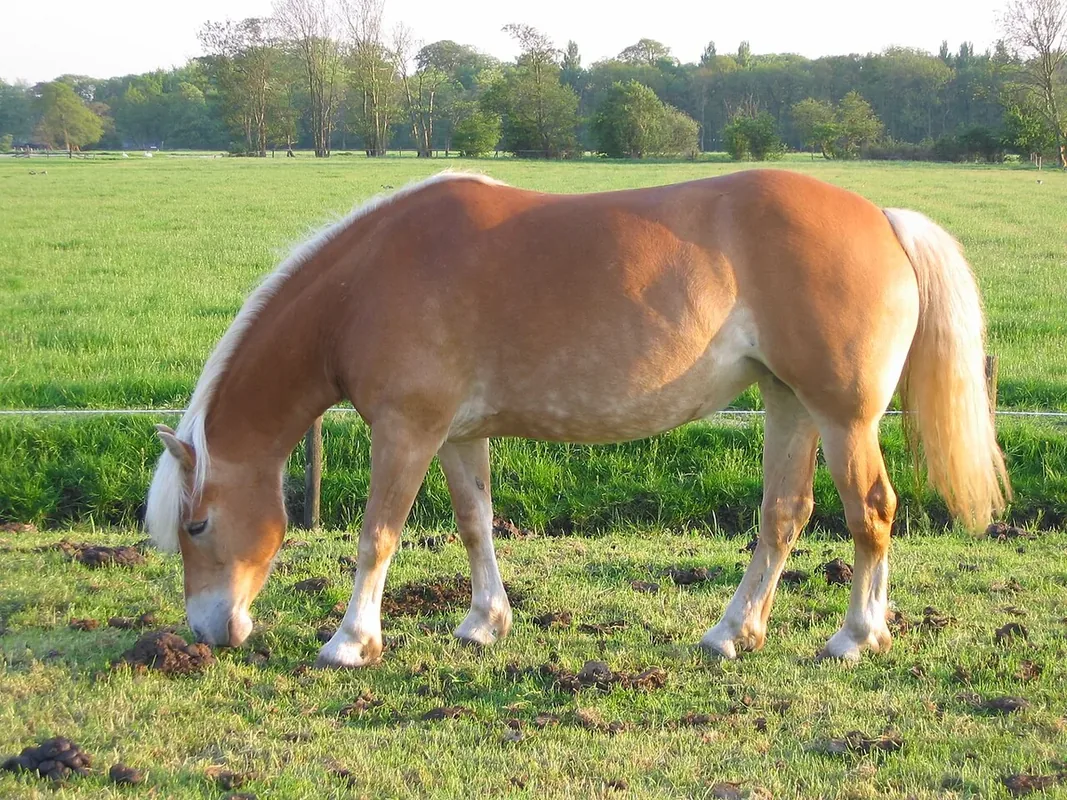
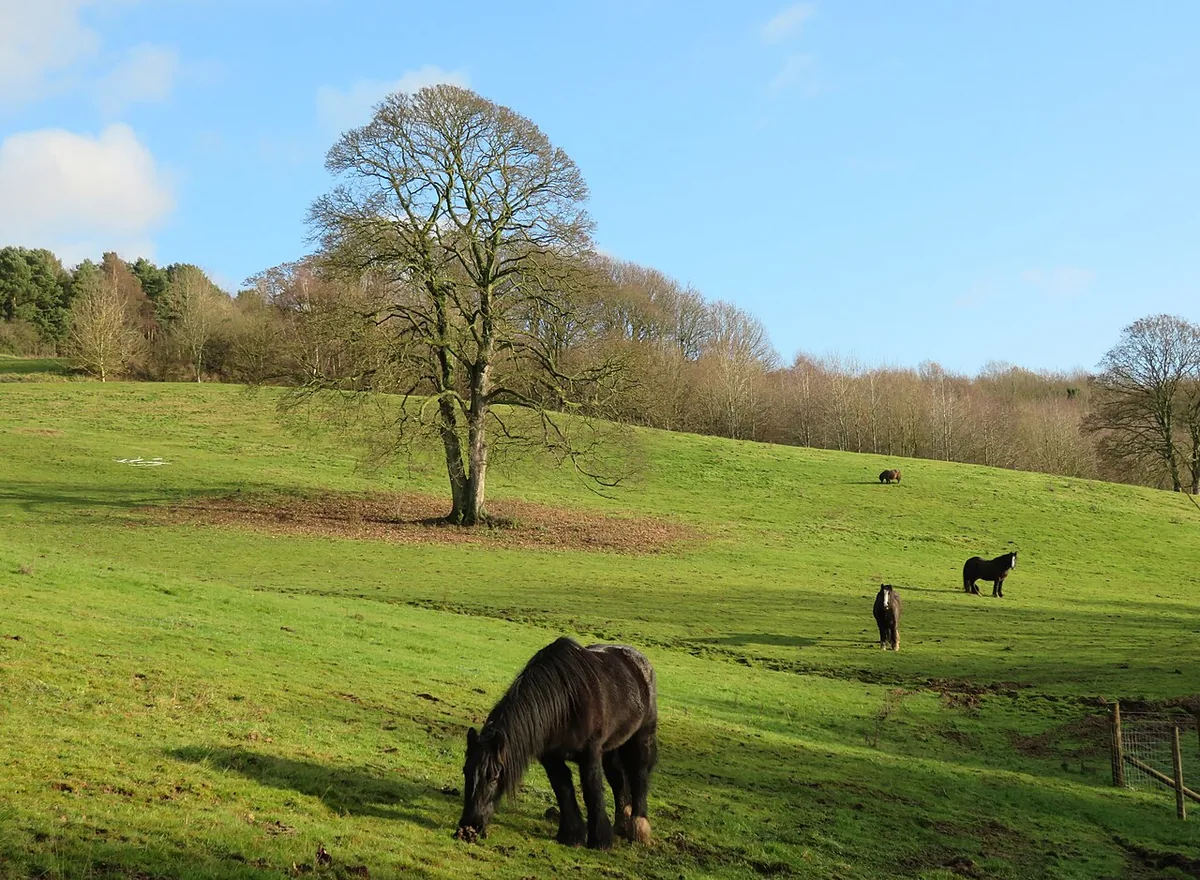
Editorial note: Prepared with AI assistance by Pet Living Magazine using the sources below. This article has not been reviewed by a veterinarian; individual care questions belong with your veterinary team. The photograph is representative editorial imagery, not a demonstration of every recommendation.
Prepared with AI assistance and source checks. General editorial information; no veterinarian-review claim. Report a correction.