Reptile equipment should not migrate between a habitat and the kitchen counter. A separate cleaning zone gives tubs, brushes, waste, and replacement materials a defined route. CDC guidance warns that apparently healthy reptiles and amphibians can carry germs, so the arrangement matters even when the enclosure looks spotless and the animal seems well.
Choose the location before buying supplies
Keep habitat equipment away from places where food is prepared or consumed. Follow CDC guidance and any local household constraints when selecting a suitable cleaning location. If you cannot provide an appropriate area, ask your veterinary team how to manage the task safely. A dining-table cover does not create a suitable permanent cleaning station.
Make the zone accessible to the responsible adult while keeping children and other pets away. Plan where dirty items arrive, where they are washed, and where cleaned items dry. Avoid carrying dripping equipment through the home without a suitable container. Label tools clearly and keep them separate from human food utensils.
Follow a product-specific method
Use a cleaning or disinfection method suitable for the enclosure, equipment, species, and reason for cleaning. Follow label directions and veterinary advice, including contact time, rinsing, and drying when required. Do not mix chemicals or assume a stronger concentration is more effective. Secure products after use.
Relocate the animal into appropriate secure housing when the task requires it. Maintain species-specific environmental conditions and supervision. A spare tub used briefly for maintenance still needs suitability and security. Do not allow the cleaning routine to become prolonged time outside the required habitat.
Keep the clean side genuinely separate
Place prepared replacement items on a clean, appropriate surface away from dirty tools. Use separate containers where needed and avoid returning a brush to the clean storage box before it is ready. Wash your hands after handling the animal or its environment. Gloves do not remove the need for proper hand hygiene.
Dispose of waste appropriately and clean the work area afterward. Follow local instructions for any unusual waste or medication-related material. Household drains, outdoor spaces, and water bodies are not interchangeable disposal routes. Ask for advice if the care plan involves an infectious condition or specialist treatment.
Restore the habitat deliberately
Check that equipment is correctly installed, doors are secured, and environmental controls are operating before returning the animal as appropriate. Compare the restored layout with a reference photograph. Cleaning should not inadvertently remove a hide, change a basking distance, or leave a probe outside the area it monitors.
Keep a brief record of deep cleaning, product changes, and anything damaged. Share concerns with a reptile-experienced veterinarian. A good cleaning zone reduces ambiguity: every item has a place, every task has a method, and the finished habitat is checked as a complete system before daily life resumes.
Rehearse the clean-to-dirty route
Use empty equipment to walk the route before the next cleaning. Carry it from the habitat to the selected work area, place it on the dirty side, and identify where prepared replacements will wait. Check whether the route crosses a human dining area or requires setting a wet container on household furniture. Adjust the transport arrangement before carrying contaminated equipment.
Next, identify where tools dry, where products are secured, and how the work surface is restored. Label storage so another caregiver cannot mix a habitat brush with a kitchen brush. Ask them to repeat the sequence and point to the handwashing location. Keep any veterinary instructions for an infectious condition with the individual animal’s plan. The rehearsal is useful because it catches a practical problem without involving the animal. A well-defined route reduces decisions during cleaning and makes it easier to finish with both the work area and restored habitat ready for ordinary use.
Keep replacement tools recognizable
When a brush or container wears out, replace it with suitable equipment and label the new item before use. Do not borrow from the kitchen temporarily and plan to return it later. Review how the tool will be cleaned, dried, and stored. A clear designation helps preserve separation when another caregiver takes over or reorganizes household storage without knowing the original arrangement.
A quick household check
- Inspect the practical arrangement before the animal uses it or the activity begins.
- Show the responsible caregiver the sequence and confirm that they can carry it out.
- Keep the professional contact route available when the usual plan no longer covers a change.
Connect this task to the wider care plan
For a leopard gecko, check that maintenance preserves suitable hide access with A Leopard Gecko’s Hide Layout: Think in Microclimates.
Check the surrounding rooms for accessible products, medicines, and unsuitable objects with A Room-by-Room Pet Poison Prevention Walkthrough.
Assign responsibilities explicitly so the household does not rely on assumptions by using A Family Pet Care Agreement That Actually Works.
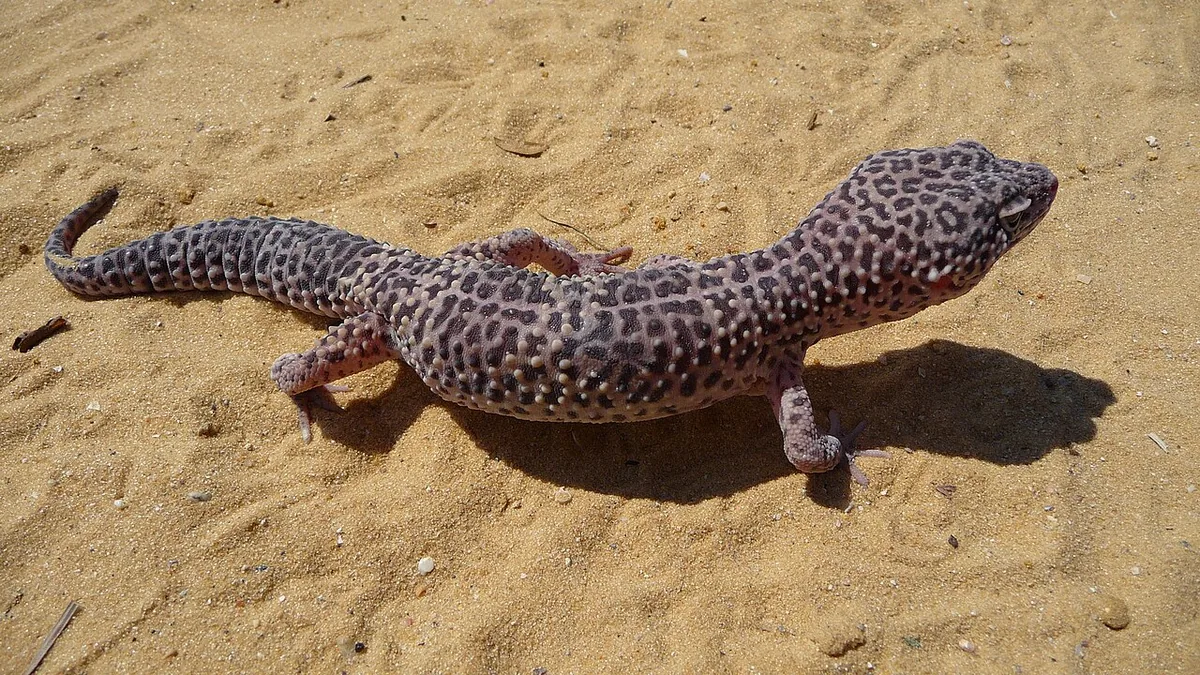
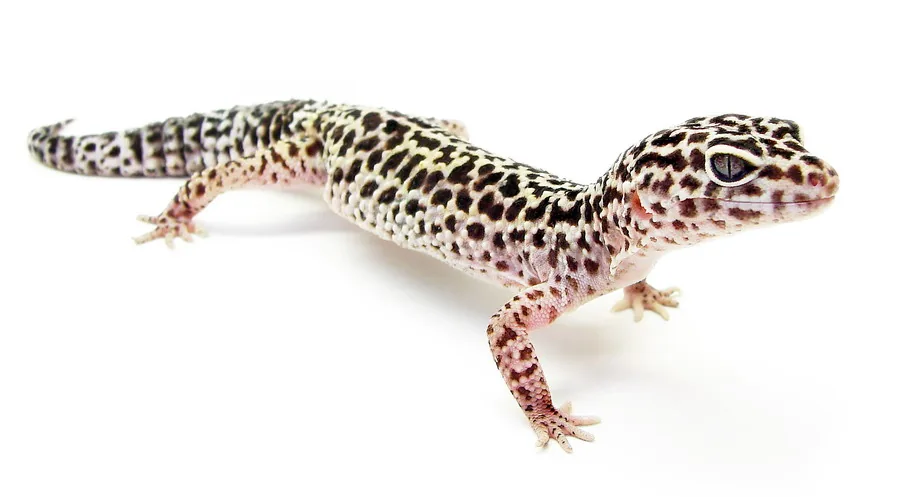
Editorial note: Prepared with AI assistance by Pet Living Magazine using the sources below. This article has not been reviewed by a veterinarian; individual care questions belong with your veterinary team. The photograph is representative editorial imagery, not a demonstration of every recommendation.
Prepared with AI assistance and source checks. General editorial information; no veterinarian-review claim. Report a correction.