A reptile can look like a contained pet: an animal behind glass, with no daily walk through the neighborhood. But the enclosure does not contain every consequence of keeping one. Before discussing tank size or choosing a species, a household needs a conversation about the people who live there and the germs a healthy animal can carry.
This is a decision to make before an animal arrives. It is also a reason to review an existing arrangement when household circumstances change. A careful conversation can end with choosing a different kind of pet, delaying adoption, or asking professionals for help with an animal already in your care.
Start with the people, before the shopping list
The CDC does not recommend reptiles and amphibians for households with young children, adults 65 and older, or people with weakened immune systems. It also says children younger than five should not touch these animals or their environments. These are household suitability considerations, rather than a test of whether a child can follow a rule during a short supervised visit.
Discuss the recommendation with the adults responsible for the home before promising an animal to a child. Avoid asking a family member to explain private medical details to a seller or a roomful of relatives. Someone who has a personal health concern can seek advice from their healthcare professional and bring back the practical guidance the household needs.
Our questions to ask before adoption can help keep the wider conversation grounded in responsibilities and realistic expectations. An enthusiastic prospective owner and an appropriate household match are separate questions.
A healthy appearance cannot settle the germ question
The FDA explains that reptiles, amphibians, and feeder rodents can carry Salmonella without appearing ill. Contamination can involve their bodies, habitat objects, and water. An animal looking bright and an enclosure looking tidy are therefore not assurances that exposure cannot occur.
Ask a seller or rescue about the animal’s care and health history, but do not request a promise that replaces public-health guidance. Separate a question about the animal’s veterinary care from a question about the household’s exposure risk. A reassuring answer to one does not automatically answer the other.
Think beyond who holds the animal
Consider an ordinary evening: one adult refreshes an enclosure, then prepares dinner; another tidies the supplies; a visitor admires the animal. Before adoption, ask which parts of that evening need different arrangements. The purpose is to notice how care fits into real household life, rather than imagining that all contact happens during one planned handling session.
The CDC notes that contact with the animal itself is not necessary for exposure, and keeps reptiles and their supplies out of food-related areas. Work out whether the home can support the recommended separation. A promise that the pet will “stay in its tank” does not describe how equipment, food, water, and caregivers will move through the home.
For an appropriate existing household, our reptile-equipment cleaning-zone guide addresses the practical route for maintenance. That arrangement supports care; it should not be used to dismiss the recommendation about who should share a household with these pets.
Ask about the feeding work as well as the animal
Some prospective owners feel comfortable around a snake but have not considered its food. The FDA includes both live and frozen feeder rodents in its Salmonella advice; freezing does not make them germ-free. Discuss the actual feeding responsibilities and the people who would perform them before selecting a species.
Be specific during the conversation. Who would obtain and store appropriate food? Who would feed during a trip? Is the proposed backup person willing and able to follow the same instructions? If everyone assumes another adult will handle that part, the care arrangement is unfinished. Do not choose an animal first and leave someone else to solve its routine later.
Allow a decision to change
An upcoming birth, a new household member, or a change in someone’s health can justify another conversation even when the pet has lived in the home for years. Seek individual advice from the relevant healthcare professional and a veterinarian experienced with the species. An online article cannot assess a family member’s medical circumstances or decide which arrangement is appropriate for them.
If rehoming becomes necessary, arrange a responsible transfer through appropriate experienced help. Do not release an animal outdoors. Until a transfer is agreed, it still needs suitable daily care. Avoid an impulsive handover to someone who has not considered the same household questions.
The useful result is an honest decision about the whole home, followed by a workable plan. It does not depend on blaming a pet, proving someone is brave enough to handle it, or treating handwashing as a guarantee. Household suitability belongs at the beginning of responsible reptile ownership.
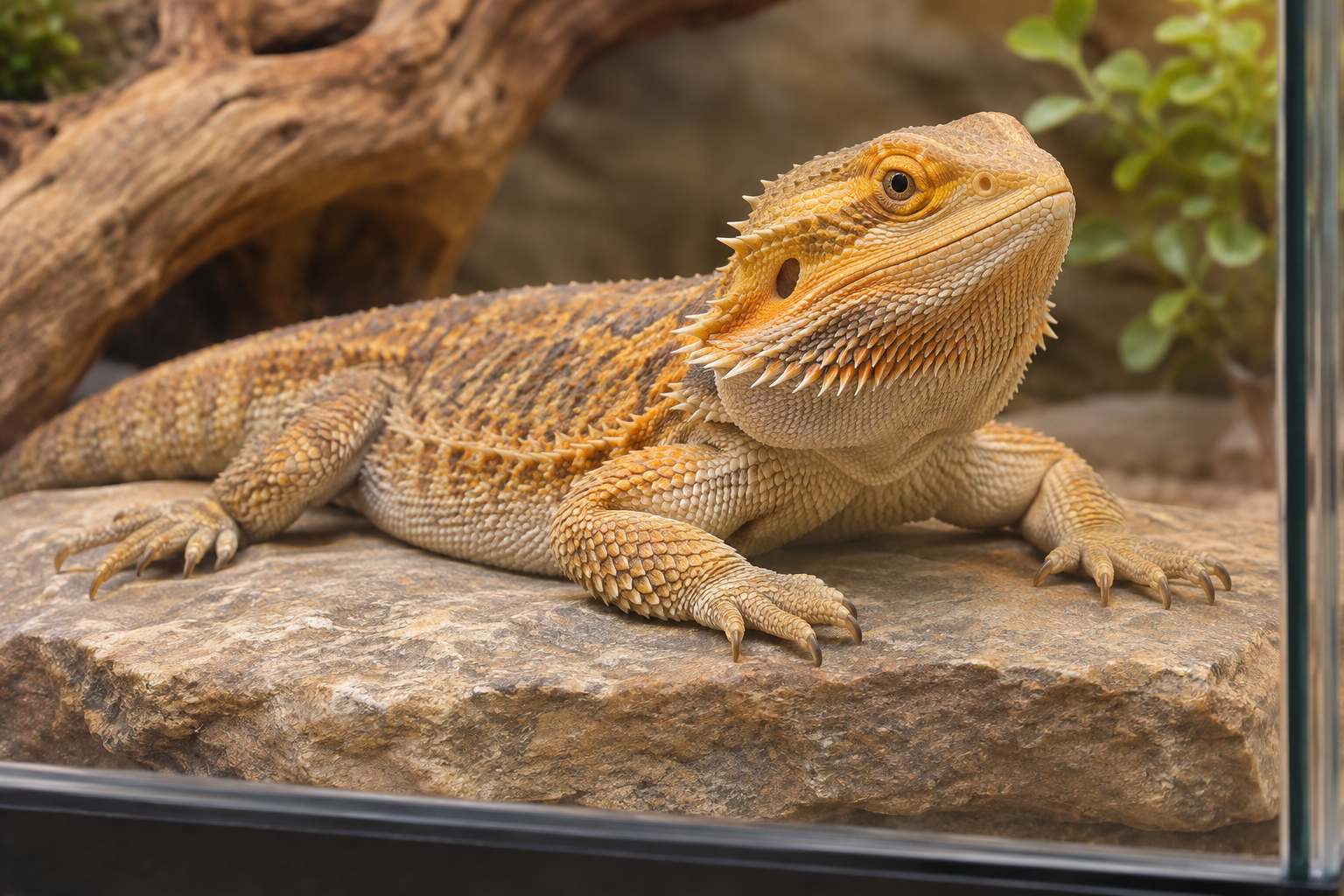
Editorial disclosure: Prepared with AI assistance and checks of CDC and FDA guidance by Pet Living Magazine. This article has not been independently reviewed by a physician or veterinarian and does not assess individual medical risk. The featured image is an original AI-created animal portrait, not documentary evidence or a complete enclosure specification.
Prepared with AI assistance and source checks. General editorial information; no veterinarian-review claim. Report a correction.