Ruffwear’s Front Range Harness offers a padded everyday design with two leash attachment positions. The meaningful buying question is whether you can fit it comfortably to your particular dog and use those positions appropriately. This assessment is based on official specifications and care guidance. We have not worn, load-tested, or measured this harness on a dog.
What the official design includes
Ruffwear lists four adjustment points, a back aluminum V-ring, a reinforced chest attachment, reflective trim, and a pocket for identification tags. Its sizing chart uses the widest rib-cage measurement. Those features describe the product; they do not establish that it will fit every dog or prevent escape. Match the current version and chosen size to the chart. If the dog is between sizes, consult the manufacturer’s current sizing advice and the seller’s fitting and return arrangements.
Equipment works within a handling routine rather than teaching the whole skill by itself. Pair this plan with short humane loose-leash practice so the person and dog can build a clearer shared movement pattern. Start with The Five-Minute Loose-Leash Practice Block.
Try fit as a sequence
Measure with the dog standing comfortably, without pulling the tape into the coat. Compare the current chart, then adjust the actual harness according to Ruffwear’s guide. In a secure area, watch the dog stand, sit, and walk, checking for rubbing, twisting, and interference with normal movement. Recheck after a short outing. The ability to fasten a buckle does not settle comfort. A puppy’s changing body and a dog’s changing weight can require a fresh measurement rather than the old receipt.
What two clips can and cannot provide
The two positions offer different leash connections. They do not teach a dog how to walk beside someone, and a chest clip is not a promise that pulling will stop. Choose an attachment within a practical handling and training plan. For a dog that backs out of equipment, ask a qualified trainer about suitable gear and management before a public outing. This everyday harness should not be described as a crash-tested vehicle restraint, lifting harness, or flotation device without model-specific evidence.
Shared outdoor spaces work better when routes, distance, waste, and the return are planned together. The trail guide helps turn access permission into a considerate outing for the dog and everyone nearby. Start with Better Trail Days: Hiking Etiquette for Dogs and People.
Cleaning and long-term ownership
The official care instructions specify handwashing with mild detergent and air drying. That means a wet harness needs drying time before storage or reuse. Inspect straps, stitching, buckles, and attachment areas during the wash. Check the seller’s current return policy and Ruffwear’s support terms directly; we are not promising unlimited replacement. Compare the selected size’s checkout cost with the time required for fitting and maintenance. A comfortable older harness may be a better immediate choice than a poorly adjusted new one.
A practical example
The harness fastens but rotates during ordinary walking. Recheck the current model’s fitting instructions in a secure area and compare another shape if necessary. A closed buckle alone does not demonstrate comfortable, secure fit.
Your preparation checklist
- Measure the widest rib cage using the current chart.
- Check fit during ordinary movement in a secure area.
- Use front or back attachment within a training plan.
- Hand wash, air dry, and inspect connection points.
- Keep this model’s purpose distinct from vehicle safety equipment.
When another adult takes over, turn the current routine into instructions they can follow without guessing. Use the handoff guide to record essential tasks, contacts, and the information that should travel between caregivers. See The Pet Sitter Handoff: What Someone Else Needs to Know.
Make the next decision clear
Shortlist the Front Range when the padded design and adjustment range suit the dog and you can check actual fit before committing to longer walks. Compare other shapes if this design rubs or moves out of position. A front connection is an option to evaluate, not an outcome to purchase. Comfort, secure handling, and repeatable adjustment should decide the choice.
Source context: The public primary material used for this article is linked here so readers can examine the original guidance, product information, or dated announcement: Ruffwear: Front Range Harness specifications and care, Ruffwear: Front Range adjustment guide. Interpretations and practical planning examples are Pet Living Magazine’s editorial suggestions.
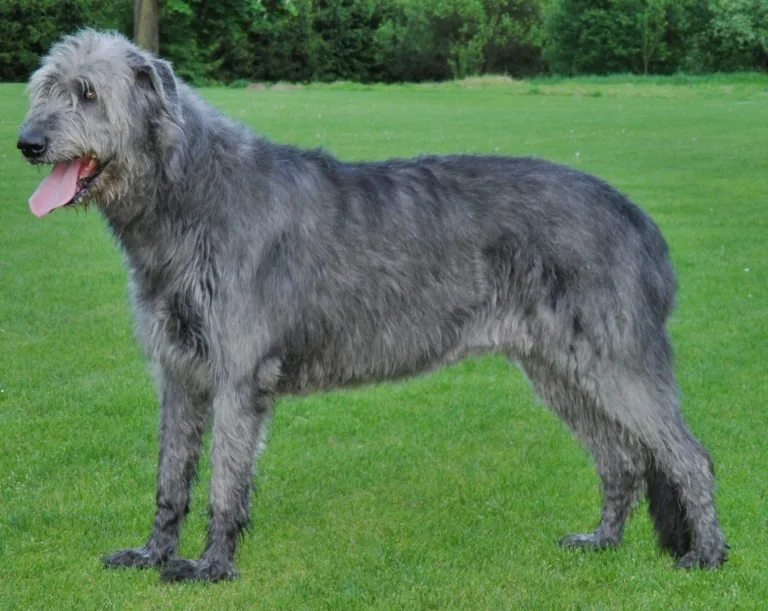
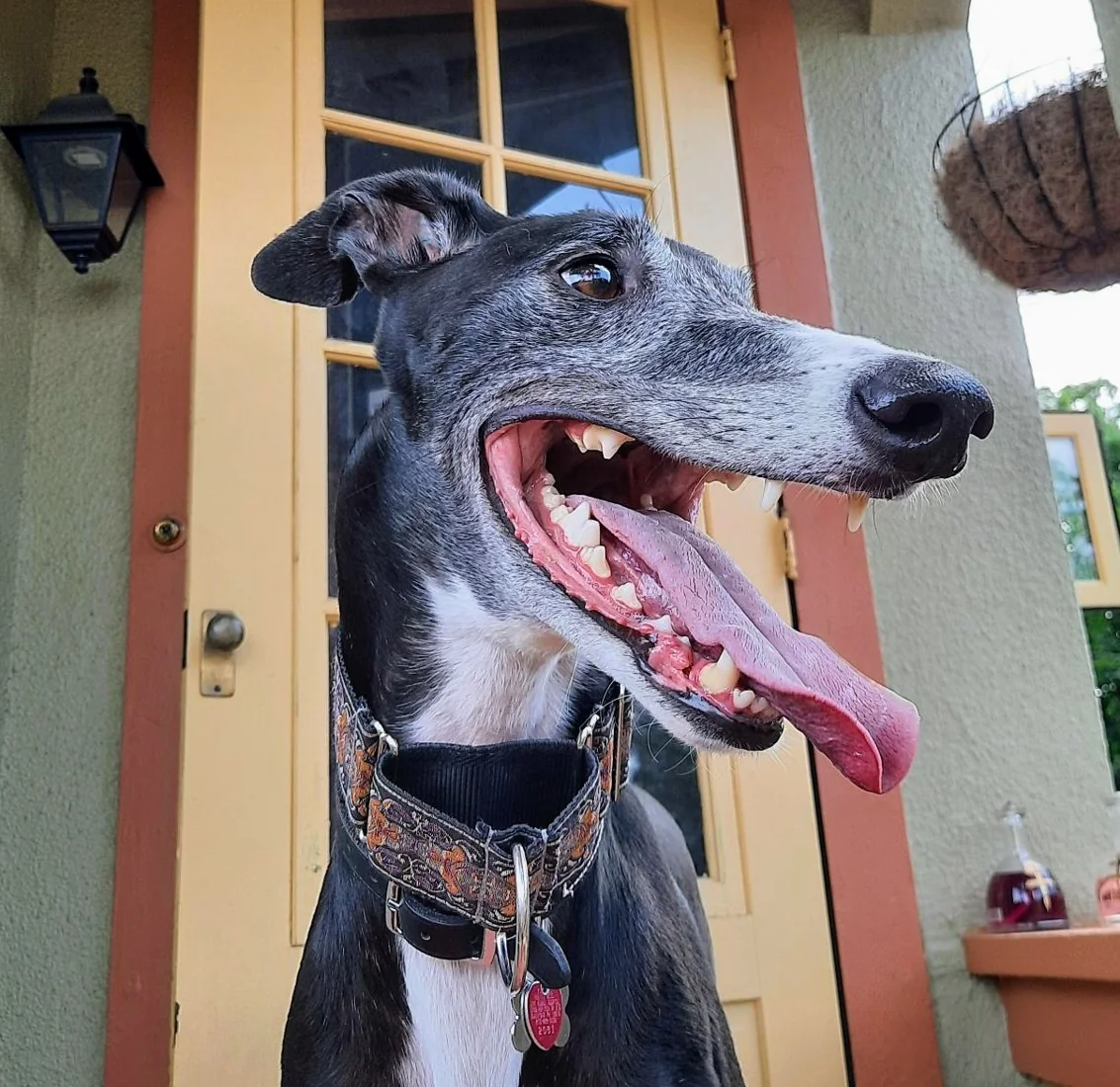
Editorial note: Prepared with AI assistance by Pet Living Magazine using official product sources. This is a research-based buying assessment, with no hands-on testing, durability measurements, or observed performance results. Manufacturer descriptions are attributed claims. The contextual animal photo does not depict the named product.
Prepared with AI assistance and source checks. General editorial information; no veterinarian-review claim. Report a correction.