Fireworks planning starts before the first bang, with a practical question: where is this particular horse ordinarily comfortable, and who will look after them when the surroundings change? A barn is not automatically the safest answer for every horse. Neither is a field. The useful plan connects the horse's history, familiar housing, nearby activity, and people who can respond safely.
Public displays are only part of the picture. A private celebration can happen on another evening. Prepare a workable arrangement for unexpected noise as well as an event whose time you know. This article addresses advance preparation, not emergency handling or a medication plan.
Decide what “familiar” means for your horse
World Horse Welfare advises maintaining routine and considering the horse's usual living arrangement. A horse accustomed to living outdoors may be better in their normal field; a planned change to stabling needs advance introduction. The charity also emphasizes people's safety around frightened horses.
Discuss the decision with the barn manager and an experienced care team who know the animal. Describe previous responses accurately. “Walked the boundary repeatedly during last year's display” conveys more than “hates fireworks.” Separate something witnessed from a previous owner's report or a reaction nobody has observed.
Ask what would make the chosen arrangement unsuitable. A normal field with a damaged boundary is not ready simply because it is familiar. Equally, an unfamiliar stall should not be introduced at the height of a nearby display as an improvised experiment. Resolve housing questions while there is time for an appropriate individual plan.
Gather timing without assuming it is complete
The British Horse Society's preparation advice includes checking local display plans and asking nearby organizers and neighbors for advance notice. It also recommends reviewing fences, stables, emergency contacts, and the yard's fire evacuation arrangements.
Keep confirmed information separate from guesses: event location, expected start and finish, who supplied the details, and when they were checked. A blank entry means unknown, not quiet. If several people telephone the barn, one shared note prevents conflicting versions of the timing from circulating.
Use a courteous advance conversation to explain that horses are nearby and preparation takes time. Do not promise that notice makes any particular distance or display safe. This is a care-coordination step, not an agreement about local fireworks law.
Walk the chosen space before the evening
Check the actual gate, boundary, stable fittings, and access routes involved in the plan. Arrange repairs with horses safely elsewhere. The ordinary pasture inspection routine can help organize that work, but tonight's housing decision still needs its own review.
Ask the person responsible for the property to confirm the emergency arrangements. Where do people meet? Who contacts emergency services? Who has authority to move horses, and where can they safely go? An unfamiliar helper should not have to discover these answers in darkness. Keep essential routes clear and follow the property's established fire procedures.
Do not turn the preparation into a collection of new gadgets. Any proposed lights, sound equipment, or changes to doors need assessment for the setting, safe installation, and introduction beforehand. A last-minute experiment creates another unknown rather than demonstrating that the horse will be comfortable.
Assign observation and professional decisions
World Horse Welfare recommends regular checks during the evening and a safe distance if a horse becomes dangerous or unpredictable. It also advises checking horses for injuries and inspecting the field and water trough for debris afterward.
Put names beside those tasks. Identify the primary caregiver, a backup, their contact method, and where the current care instructions are kept. Tell helpers what they are expected to observe and whom they should call. A person who is comfortable doing ordinary feeding may not have the experience to manage a frightened horse.
If previous reactions have been severe, contact the veterinarian well ahead of anticipated noise. Ask for an individual prevention and response plan. Use prescribed medication only as directed; do not borrow another horse's treatment or select a sedative from an online discussion. This article cannot determine whether medication or relocation is appropriate.
Leave a useful handover for tomorrow
A simple example shows the difference between a plan and a vague reassurance: “Casey checks the horses from the agreed safe observation point; Morgan is the backup; the manager holds the current veterinary instructions; the morning caregiver checks the field before normal turnout.” Those are illustrative assignments, not instructions for every property.
Record what actually happened, including times, observable behavior, calls made, and any veterinary directions. Add that information to the daily horse-care log. A calm outcome is useful history; it is not a guarantee about the next event. Review the plan with the people who used it while the details are still clear.
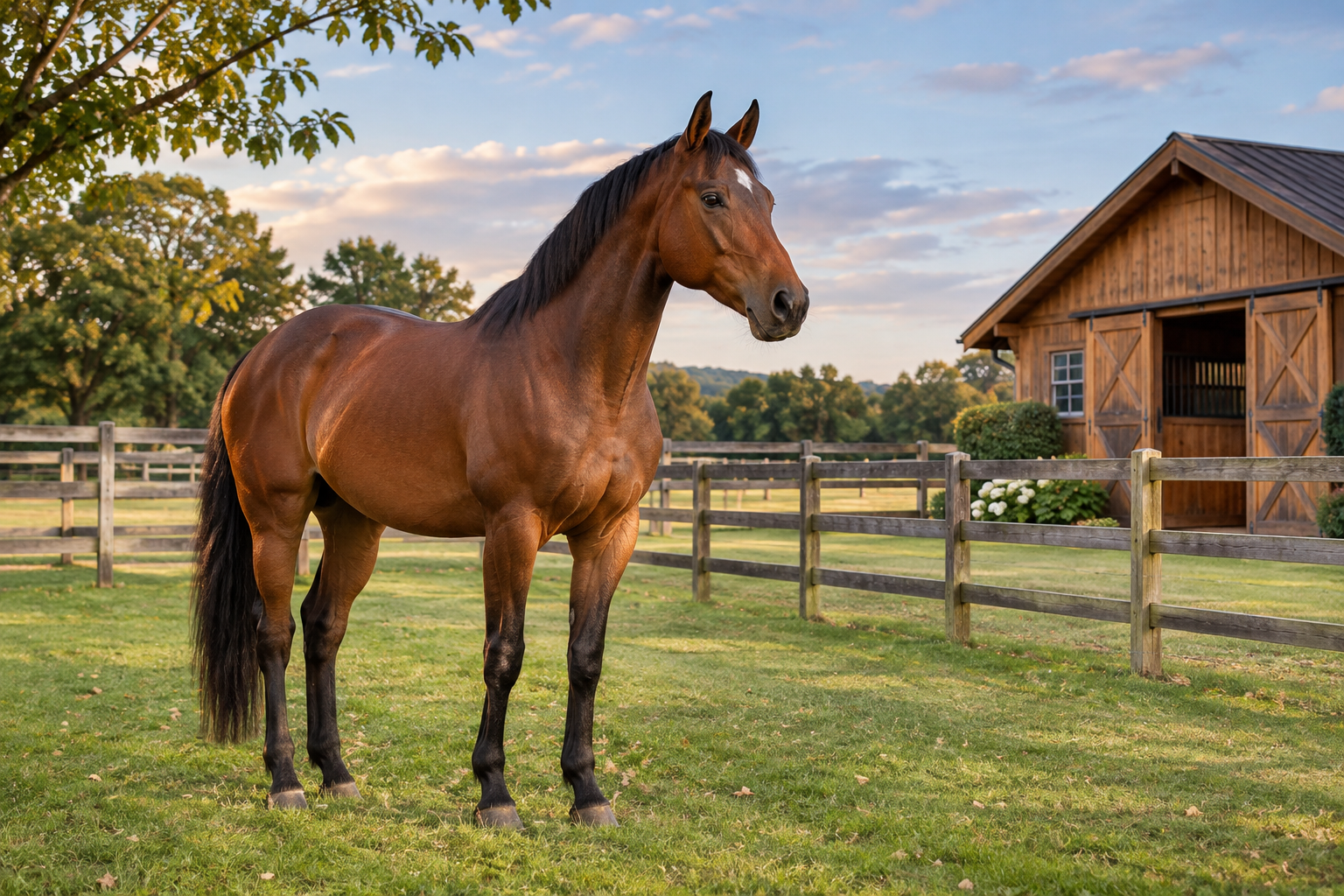
Editorial note: Prepared with AI assistance using the primary guidance linked above. Practical handover examples are Pet Living Magazine editorial suggestions. This article has not been reviewed by a veterinarian. The featured image is an original AI-created illustration, not a documented fireworks event or a complete housing assessment.
Prepared with AI assistance and source checks. General editorial information; no veterinarian-review claim. Report a correction.