A corn snake can find an opening that looks unimportant to a person inspecting the enclosure from the front. Security includes sliding doors, lid clips, cable exits, vents, and the gap left after maintenance. Make a closing sequence that checks every point, then use it each time rather than relying on the last successful feeding or cleaning session.
Inspect without the snake exploring
Secure the snake appropriately while checking the enclosure’s condition. Look for warped lids, damaged seals, loose vents, cracks, and openings around equipment. Follow the enclosure manufacturer’s instructions and obtain species-specific housing advice. Do not use tape or a loose weight as an improvised substitute for suitable closure hardware.
Record which latches or locks are used and where their keys belong. A sliding door that appears shut may still need its fastening engaged. Check the arrangement after moving the enclosure or replacing equipment, when components can shift. An enclosure’s purchase description does not establish its current condition.
Give cable exits their own check
Trace every probe and power cable from inside to outside. Ensure the passage cannot widen when a cable moves and that the arrangement remains compatible with electrical and fire safety. Seek appropriate installation help when equipment needs a modification. Do not squeeze, cut, or damage a cable to make a cover fit.
Keep ventilation suitable under the husbandry plan. Blocking every opening indiscriminately can create a different problem. A secure habitat must meet the snake’s environmental needs as well as prevent escape. Ask a reptile-experienced veterinarian or knowledgeable enclosure manufacturer about an uncertain solution.
Make maintenance end with a sequence
A useful sequence checks animal location, equipment position, doors or lid, every fastening, and the external room. The caregiver should complete it before leaving, even after a brief water refresh. Keep the checklist close enough to use without opening another door or finding a phone.
Show another caregiver the physical operation of each catch. Ask them to close the enclosure while you observe. Explain which parts must never be removed or left loose. If the setup is too awkward for routine use, improve the equipment rather than expecting perfect attention from every person forever.
Prepare for an escape without causing another hazard
Keep a current description of the snake, veterinary contact, and a sensible household search plan. If an escape occurs, secure other pets and contact an appropriate professional for guidance. Avoid setting harmful traps or dismantling electrical appliances while the snake’s position is unknown.
CDC guidance treats reptiles and their environments as potential sources of germs even when animals appear healthy. Wash your hands after handling and habitat work, and keep equipment away from food preparation. Security, hygiene, and husbandry belong in the same repeatable routine, with each check clear enough for a sitter to follow.
Use a closing-point photograph
Photograph the enclosure’s fastening points while it is correctly secured. Mark doors, lid clips, cable passages, and any component requiring a particular sequence. Keep the photograph beside the care sheet rather than inside a phone album nobody else can find. It gives a new caregiver a concrete reference for checking the enclosure after a routine task.
During rehearsal, let the caregiver perform the closure while you observe. Ask them to check animal location before engaging the final fastening and to explain what they would do if a latch failed. The answer should include appropriate secure temporary arrangements and a contact route, not a household repair improvised under pressure. Recheck the reference whenever equipment changes. A photo of last year’s cable arrangement can be misleading today. Keep the sequence short enough to repeat every time while covering every actual opening; routine security works through reliable completion rather than an occasional exhaustive inspection followed by weeks of assumptions.
Check after a brief interruption
A phone call or delivery during habitat work can interrupt the closing sequence. Return to the start of the check rather than assuming the last fastening was completed. Confirm the snake’s location and every closure before leaving. Ask caregivers to use the same habit: a short interruption does not make the task finished, and a remembered intention is not a secured enclosure.
A quick household check
- Inspect the practical arrangement before the animal uses it or the activity begins.
- Show the responsible caregiver the sequence and confirm that they can carry it out.
- Keep the professional contact route available when the usual plan no longer covers a change.
Connect this task to the wider care plan
For corn-snake observations beyond enclosure security, preserve a useful care record with The Corn Snake Shed Journal: Notice Patterns Without Interfering.
Turn the working arrangement into instructions another caregiver can follow with The Pet Sitter Handoff: What Someone Else Needs to Know.
Prepare the information and contacts needed if an escape does occur with When a Pet Goes Missing: Organize the First Actions.
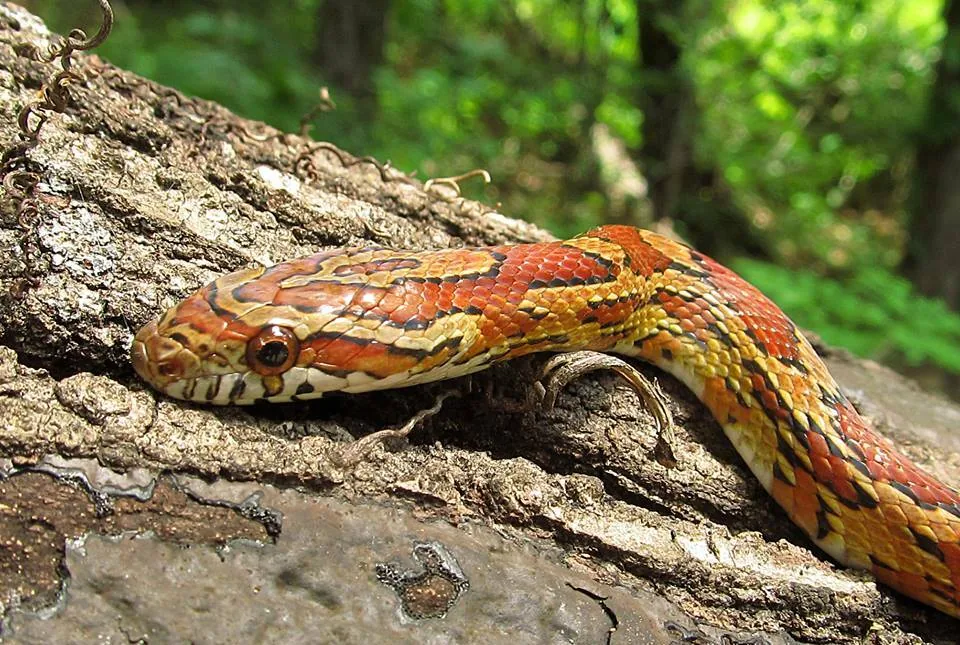
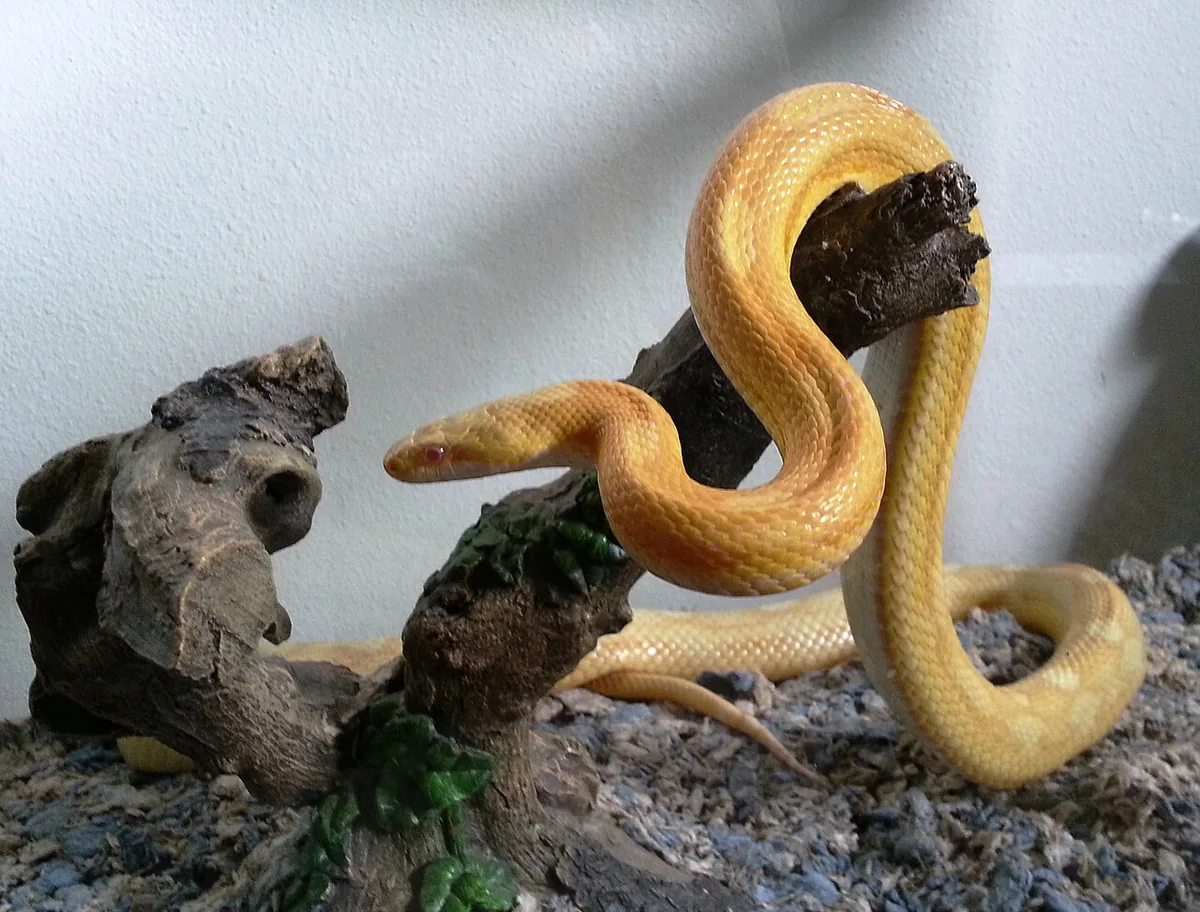
Editorial note: Prepared with AI assistance by Pet Living Magazine using the sources below. This article has not been reviewed by a veterinarian; individual care questions belong with your veterinary team. The photograph is representative editorial imagery, not a demonstration of every recommendation.
Prepared with AI assistance and source checks. General editorial information; no veterinarian-review claim. Report a correction.